Crystal Palace business waste removal services for shops
Posted on 25/08/2026
Crystal Palace business waste removal services for shops: a practical guide for retailers
Running a shop in Crystal Palace means juggling a lot at once: stock, customers, deliveries, displays, staff, and the odd burst of mess that seems to appear from nowhere. Add packaging, broken fixtures, old shelving, returned stock, and end-of-day refuse, and waste can quietly become one of the most annoying parts of the job. That is exactly where Crystal Palace business waste removal services for shops earn their keep. Done properly, they help you stay tidy, save time, protect your reputation, and keep your back office from turning into a storage cupboard for things nobody wants to deal with.
This guide explains how shop waste collection works, what to expect, how to choose the right approach, and where businesses often trip up. It is written for real shop owners and managers, not just for search engines. If you want the bigger picture too, the broader services overview is a useful place to start before narrowing things down.
Why Crystal Palace business waste removal services for shops Matters
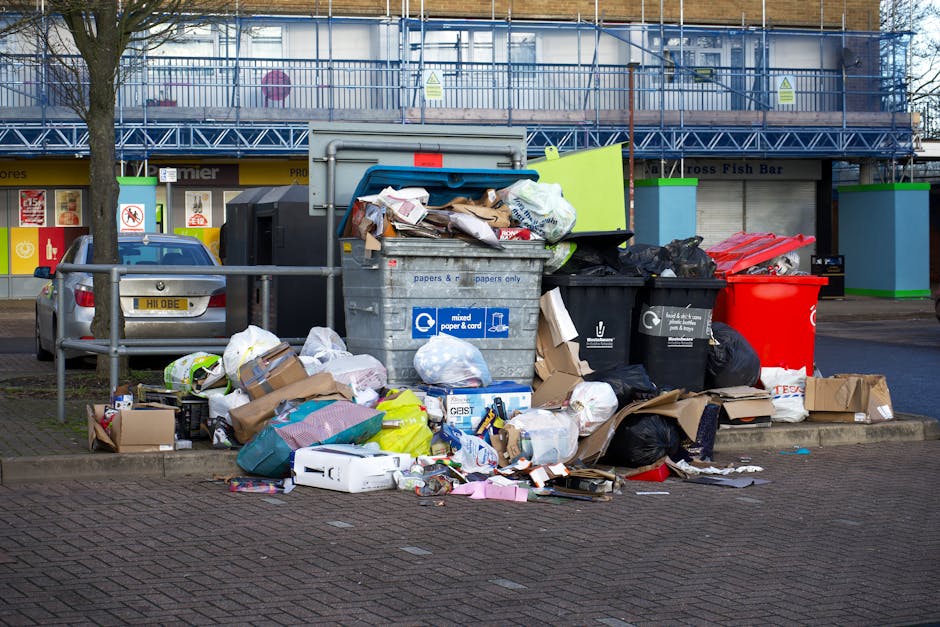
For a shop, waste is not just waste. It affects how your premises feel, how staff work, and how customers experience your brand. A neat shopfront says a lot before anyone even opens the door. By contrast, a pile of cardboard boxes by the till or a back room filled with damaged stock can make a business feel tired, even if the products are excellent. Let's face it, people do notice.
In Crystal Palace, shops often work in fairly tight spaces, especially around busy local high streets and side streets where storage is limited. That means waste builds up fast. Packaging from deliveries, food waste from cafes, broken display units, and redundant office furniture can all get in the way quickly. A reliable collection plan keeps things moving and prevents little problems becoming full-blown headaches.
There is also the customer side of it. A clean, uncluttered shop feels more trustworthy and easier to browse. Staff work better too. You can move stock safely, clean properly, and avoid that awkward moment where a delivery is wedged beside old boxes because there is nowhere else for it to go. Small thing? Maybe. But it matters.
If your shop is preparing for a larger refresh, it may also overlap with services like office clearance in Crystal Palace or even broader rubbish clearance in Crystal Palace, especially when the waste includes mixed items from stockrooms, admin areas, and customer-facing spaces.
Expert summary: Good shop waste removal is not only about getting rid of rubbish. It is about keeping trading space usable, avoiding unnecessary clutter, and maintaining a professional impression every day.
How Crystal Palace business waste removal services for shops Works
Most business waste removal for shops follows a straightforward pattern, though the details vary depending on what you sell and how much waste you create. A clothing boutique will have different needs from a convenience store, and a takeaway or cafe will have yet another set of concerns. Still, the process is usually similar.
1. You identify the waste type
First, you work out what needs removing. Common shop waste includes cardboard, plastic wrap, broken hangers, damaged stock, old signs, shelving, displays, worn fixtures, packaging straps, mixed general rubbish, and sometimes bulky items such as counters or storage units. Separating these early can save a lot of time later. It also helps avoid confusion on collection day.
2. You choose a collection method
Depending on the amount and urgency, you might arrange a one-off collection, recurring pickups, or a larger clear-out. For small but awkward jobs, a man-and-van style removal can be more practical than a skip. For heavier refurb projects, something like skip hire in Crystal Palace can work well if access and timing suit the premises.
3. The waste is assessed
A proper provider will usually want to understand the volume, access conditions, and whether any items need special handling. This is where honesty helps. If you say it is "just a few bags" but there are actually ten sacks, three broken display units, and a stubborn old till cabinet, the day gets complicated. Not impossible. Just messy.
4. The team removes and sorts items
On collection day, the crew removes the waste, loads it safely, and sorts material where possible. Responsible operators aim to recycle as much as they can and only dispose of the unavoidable remainder. That is particularly useful for shops that want to improve their environmental footprint without making the process more work for staff.
5. Disposal and recycling are handled appropriately
Good waste removal is not just about vanishing the rubbish from sight. It should also make sure the waste is handled in a way that fits UK expectations for duty of care and disposal standards. In plain English: your rubbish should not end up becoming someone else's problem later.
For shops with recurring waste streams, many owners pair removals with ongoing options such as rubbish collection in Crystal Palace or broader waste removal in Crystal Palace so the stockroom never reaches the "we really should deal with this" stage.
Key Benefits and Practical Advantages
There are obvious benefits, and then there are the quieter ones people only notice after a few months. Both matter.
- More usable shop space: Clearing packaging, obsolete stock, and old fixtures gives you room to breathe.
- Better customer presentation: A tidy premises makes your business look cared for and organised.
- Safer working conditions: Less clutter means fewer trip hazards, blocked exits, and awkward lifting jobs.
- Faster reset after deliveries or refurbishments: You can return to trading quicker, which is especially useful in busy retail periods.
- Less staff time lost to rubbish handling: Your team can focus on customers instead of wrestling with packaging mountain number three.
- Improved recycling outcomes: Material sorting becomes more manageable when handled professionally.
- Reduced stress during stock changes: Seasonal swaps, display updates, and clear-outs feel much less disruptive.
For some shop owners, the biggest benefit is simply peace of mind. You know the waste is being removed properly, and you do not have to keep improvising with bin bags in the back room. That alone is worth a lot on a busy Friday afternoon.
Businesses that also handle furniture or display replacements may find related services such as furniture disposal in Crystal Palace especially useful, because shop waste often includes a surprising amount of bulky items.
Who This Is For and When It Makes Sense
Shop waste removal is not only for big retailers or those doing full refurbishments. In practice, it helps a wide range of local businesses.
Typical users include:
- independent retail shops
- newsagents and convenience stores
- boutiques and fashion retailers
- gift shops and lifestyle stores
- hair and beauty retailers
- cafes and takeaway counters with front-of-house waste
- small supermarkets and food shops
- pop-up shops and temporary retail units
It makes sense when waste starts to affect trading, storage, or safety. That might be after a delivery surge, during seasonal changeovers, after a display refresh, or when a lease ends and the premises need to be handed back clean. It also makes sense when staff are spending too much time dealing with rubbish instead of serving customers. That usually creeps up slowly. Then suddenly it is the thing everyone complains about.
Shops preparing for changes in ownership or occupancy often benefit from reading up on the local market too. If you are at a transition point, the articles on acquiring and selling homes in Crystal Palace and buying property in Crystal Palace are more property-focused, but they can still be handy if you are planning a business move, lease change, or long-term relocation in the area.
Step-by-Step Guidance
If you want the process to run smoothly, a bit of preparation goes a long way. Here is a straightforward way to handle it.
- Walk the premises and identify the waste. Check the shop floor, back room, stock area, and any upstairs storage. Make a rough list of what has to go.
- Separate the obvious categories. Cardboard, plastics, general rubbish, broken fixtures, and bulky items are easier to manage when grouped sensibly.
- Measure awkward items. Large shelving, counters, or shop fittings can be difficult to remove if doorways or stairwells are tight.
- Check access times. Early morning or after-hours collection is often easier for shops that cannot stop trading during the day.
- Get a clear description ready. A good waste removal provider will ask what needs removing, how much there is, and whether there are any access issues.
- Confirm what is included. Ask whether loading, labour, disposal, and recycling are all covered in the quote. Vague pricing is never fun.
- Prepare the space. Move fragile stock away from the waste area, keep the route clear, and make sure someone is available to let the team in.
- After collection, do a final sweep. This is the moment to spot forgotten packaging, loose fixings, or that one box everyone assumed belonged to someone else.
If the job is urgent, same-day support can be useful, particularly when you are facing a deadline before opening hours or a landlord inspection. In that kind of situation, reading about same-day rubbish collection in SE19 may help set expectations around speed and turnaround.
And if your shop is close to busy routes, local access planning matters more than people think. A nearby street can be a blessing for collection speed, but it can also mean tighter parking and shorter loading windows. That little detail changes everything.
Expert Tips for Better Results
Here are the kinds of things experienced shop owners tend to do well. Nothing flashy, just practical sense.
- Schedule waste removals around trading patterns. Quiet mornings or closing time are usually easier than peak footfall periods.
- Keep a dedicated waste area. Even a small corner in the back room helps prevent clutter spreading everywhere.
- Label reusable, recyclable, and general waste separately. It saves sorting time and reduces avoidable mistakes.
- Take action before the pile becomes a problem. Small, frequent clearances are often easier than one giant rescue mission.
- Ask about recycling outcomes. Responsible operators should be able to explain how different waste streams are handled.
- Plan around refurb or delivery dates. That avoids the lovely little chaos of old fixtures arriving in the same week as new stock. Brilliant.
Another useful habit is to review what creates the most waste in the first place. Sometimes the issue is not the removal service at all; it is packaging, over-ordering, or poor storage decisions. A few small operational tweaks can reduce the waste load before it ever leaves the shop.
For larger clean-outs, especially when shop changes overlap with a strip-out or fit-out, a service like builders waste clearance in Crystal Palace can be relevant too, because the waste mix often shifts from retail packaging to broken boards, fittings, and refurbishment debris.

Common Mistakes to Avoid
Most problems with shop waste removal come from a few predictable mistakes. The good news? They are easy to avoid once you know what to look for.
- Waiting too long: Waste is easiest to manage before it starts blocking storage, exits, or deliveries.
- Underestimating volume: A few bags can turn into a van full very quickly, especially with packaging-heavy stock.
- Not checking access: Tight stairways, restricted parking, and narrow doorways can all slow things down.
- Mixing prohibited or sensitive items without asking: Some materials need special handling, and it is better to clarify in advance.
- Choosing only on price: Cheapest is not always simplest. Sometimes it is the quote with the fewest surprises that wins.
- Assuming "rubbish" means everything can go together: Different waste streams may need separate handling, especially where recycling or special disposal is involved.
There is one more common slip: leaving the clean-up until after everyone has gone home, then realising nobody has keys, nobody knows the code, and the paperwork is in a drawer somewhere. Happens more often than people admit. Avoidable though.
Tools, Resources and Recommendations
You do not need a lot of kit to manage shop waste better, but a few basics help a great deal.
- Heavy-duty sacks and bins: Good bags reduce spills and make moving waste safer.
- Cardboard flatteners or cutters: Cardboard volume drops fast when it is broken down properly.
- Storage tubs for reusable items: Keep packaging, fittings, or seasonal display parts separate from true waste.
- Labels or colour coding: Simple, effective, and surprisingly helpful for staff.
- A basic waste log: Useful for recurring collections, budgeting, and spotting patterns.
- Clear floor space near the exit: Makes collection smoother and reduces manual handling risk.
From a service perspective, it is worth comparing shop waste removal with alternatives such as junk removal in Crystal Palace and rubbish collection in Crystal Palace. Those options can be suitable for mixed loads or ad hoc clearances, while more structured waste management may suit shops with regular output.
If your business values environmental responsibility, the page on recycling and sustainability is a useful companion read. It reinforces the idea that waste removal should not just be quick; it should also be sensible.
Law, Compliance, Standards, or Best Practice
Waste handling for shops is one of those areas where a little care matters a lot. While this article is not legal advice, there are some widely accepted UK best practices that shop owners should keep in mind.
First, businesses have a duty to make sure their waste is transferred to a legitimate carrier and handled responsibly. In practical terms, that means checking that the provider is suitable, understanding what happens to the waste, and keeping clear records where needed. It is also wise to ask about insurance and safety procedures, particularly if bulky removal or access challenges are involved.
Second, some waste streams need more caution than everyday rubbish. Food-related waste, electrical items, fluorescent tubes, batteries, and certain store fixtures may require specific handling. You do not need to memorise every category. But you do need to ask before loading them into a mixed pile and hoping for the best. Hope is not a system.
Third, shop environments should always keep escape routes clear and avoid unsafe stacking. That is basic but important. If waste is piled in walkways or near exits, it creates both a safety issue and an operational annoyance.
For service confidence, it helps to review pages such as insurance and safety, terms and conditions, and about us. Those are not a substitute for your own checks, but they do help you understand the way a responsible local business presents itself.
When in doubt, ask direct questions. What can be collected? How is it sorted? What happens if access is awkward? Can you send a photo for assessment? Clear answers are usually a good sign.
Options, Methods, and Comparison Table
For shops in Crystal Palace, there is no single perfect method. The right choice depends on volume, urgency, access, and the type of waste involved.
| Method | Best for | Strengths | Trade-offs |
|---|---|---|---|
| One-off waste removal | Clear-outs, stock changes, bulky items | Flexible, quick, less disruption | Not always ideal for repeated waste |
| Recurring collection | Regular shop waste and packaging | Predictable, tidy, easy to plan | May be more than some smaller shops need |
| Skip hire | Large refurb jobs or heavy mixed waste | Good capacity, useful on longer projects | Needs space and may be less convenient for busy frontages |
| Mixed rubbish clearance | Small-to-medium shop clearances | Useful for varied waste streams, labour included | Less suited to constant ongoing waste |
For many smaller shops, the sweet spot is a combination approach: routine waste handling for daily rubbish, plus occasional larger clearances when stock rotates or a fit-out changes the space. That keeps costs under control without letting the back room turn into a permanent storage cave.
Case Study or Real-World Example
Imagine a small independent gift shop in Crystal Palace. It has had a busy run-up to the holidays, deliveries have arrived in waves, and now the back room is packed with flattened boxes, damaged packaging, old display stands, and a broken shelving unit that nobody wants to be the one to move.
The owner first tries to stack everything neatly against the wall. A sensible instinct, honestly. But within a week the packing area starts creeping into the staff route and one corner becomes hard to clean. Customers do not see that side of the shop, but staff certainly feel it. The place begins to feel cramped, even on quieter days.
Instead of waiting until the mess gets worse, the owner arranges a shop waste removal collection. Before the visit, the team separates cardboard from bulky items, moves fragile stock away from the loading area, and confirms access times for the van. The removal is completed quickly, the floor is easier to sweep, and the stockroom becomes usable again. Nothing dramatic. Just relief.
That is the real value here. Not some grand transformation. Just a shop that works better on an ordinary Tuesday afternoon. And most businesses would take that over drama any day.
Practical Checklist
Use this checklist before booking Crystal Palace shop waste removal.
- Have I identified exactly what needs removing?
- Have I separated cardboard, mixed rubbish, bulky items, and any special items?
- Do I know whether the collection is urgent or can be scheduled?
- Have I checked access, parking, and opening-hour restrictions?
- Do I have rough photos or a written list for the provider?
- Have I asked what is included in the quote?
- Do staff know which area is being cleared and when?
- Are fragile stock and customer areas protected?
- Have I considered whether recycling or specialist handling may be needed?
- Is there a plan for regular waste so the problem does not return immediately?
As a final pre-booking step, it is sensible to review pricing and quotes so you know what to expect and can compare like with like. Transparent pricing makes decision-making much easier. So does knowing your payment method is handled securely, which is why some businesses also look over payment and security.
Conclusion
Crystal Palace business waste removal services for shops are about much more than getting rid of clutter. They help create a shop that is safer, tidier, more professional, and easier to run day to day. Whether you are dealing with packaging, outdated displays, bulky fixtures, or a full seasonal clear-out, the right approach saves time and reduces stress.
The best results usually come from simple habits: sort waste early, book before it becomes urgent, keep access clear, and choose a service that understands the realities of local retail spaces. That is the practical version. The nice version is this: a well-run shop feels calmer, and people notice that calm. Staff notice it too.
Get a free quote today and see how much you can save.
If you are planning a clearance or want to talk through a shop waste problem, the easiest next step is to use the contact page and outline what you need removed. A clear conversation at the start saves a lot of back-and-forth later.


 Tipper Van - Rubbish Removal and Waste Disposal Prices in Crystal Palace, SE19
 Luton Van - Rubbish Removal and Waste Disposal Prices in Crystal Palace, SE19